A second home has a funny way of needing attention even when no one is there. The temperature still matters, security still matters, and plans for your next visit can change with very little warning.
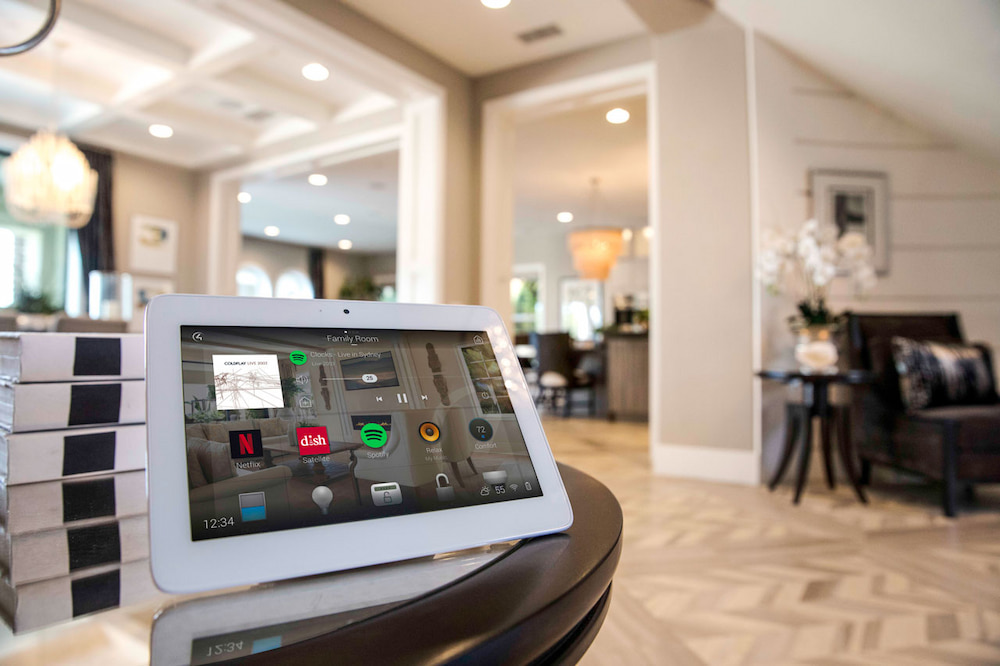
Well-planned home automation technologies in Basalt/Aspen give you a practical way to manage compatible systems remotely. Instead of checking lighting, shades, climate, surveillance, and other connected functions one by one, you can manage them around the way you actually use the property.
That might mean putting the house into an away mode before a long absence or getting everything comfortable before you arrive. Here’s how connected controls can make a second home easier to manage when you’re not there.
How can home automation help manage a second home?
Home automation lets you manage your second residence without treating every device like a separate project. A properly integrated setup brings compatible functions together in one place, making it easier to adjust the home as you come and go.
That becomes especially useful when your plans change. If you decide to stay another week, arrive a day early, or skip a trip altogether, you can adjust supported settings without being at the property.
The property can follow a different routine while empty
An unoccupied home that sits empty for several weeks doesn’t have to behave exactly as it does when you’re there. You can use programmed away or vacation modes to adjust selected functions according to your preferences.
Depending on the system, that may include:
- Changing heating or cooling settings for a longer absence
- Running selected lighting on a programmed schedule
- Positioning motorized shades at chosen times
- Activating security settings intended for an empty property
The goal is a routine that fits an empty property, rather than leaving everything set up as though you just stepped out for dinner. That routine shouldn’t be too predictable, though. If the lights turn on at 8:00 and off at 10:00 every night, it’s easy for anyone watching to tell nobody is there.
Most major control platforms offer some form of occupancy simulation to break up that pattern. Lights can come on in different rooms at slightly different times each evening, and shades can move on a less rigid schedule. From the street, it becomes much harder to tell whether the house is empty.
Climate settings can change with occupancy
Features such as smart thermostat vacation settings can maintain a different temperature while the home is empty and adjust to warm up the place before you return. The details matter, though. A residence with several climate zones or extensive automated shading may need a more thoughtful setup than a smaller home with one or two basic controls. Professional programming ties those systems to how you actually use the property rather than relying on one-size-fits-all settings.
The house can be prepared before arrival
One of the best things about remote access is being able to make the house comfortable before you walk through the door. You can adjust the temperature ahead of arrival and return supported lighting or shades to the settings you prefer when the house is occupied.
That is particularly useful when visits do not follow a fixed schedule. You do not have to plan every setting months in advance. Once your trip is confirmed, you can make the changes you need at the press of a button.
We integrate climate control, lighting, motorized shades, security, networking, and connected controls as part of our residential offering, so those functions can work together rather than operating as separate pieces.
How can smart technology help monitor an unoccupied home?
Smart technology can give you a clearer picture of what is happening at a second home while you’re away. Surveillance, alerts, and other monitoring functions can provide useful information without requiring you to stop by every time you want to check on the property.
Exactly what you can view or control depends on the equipment you choose and how the system is configured, but the basic benefit is straightforward: distance doesn’t have to mean being completely out of the loop.
Cameras can provide visual confirmation
Sometimes you simply want to see for yourself. Connected cameras let you check in from anywhere, with live video of what’s happening now and recordings you can review later.
That visibility is especially useful when other people visit while you’re away. You can confirm the landscaping crew showed up on schedule or see exactly where a package was left.
Integration takes it a step further. With compatible smart locks tied into the same system, you can unlock the door for a housekeeper getting the place ready before your next visit. Watch them arrive on camera, then lock up again once they leave.
Placement & alerts need to be useful
More notifications do not automatically mean better monitoring. If every minor movement produces an alert, important events can quickly get lost in the noise.
Camera placement and notification settings should therefore reflect the property itself. Cameras should cover the areas that matter most, while alerts should help you distinguish routine activity from events that require your full attention.
Connectivity affects what owners can see remotely
Remote monitoring depends on the home’s network and internet connection. If that connection goes down, off-site viewing and other internet-dependent functions may temporarily go with it.
That matters even more in a second home, where you may not be around to restart a router or investigate a connectivity problem yourself. Reliable networking is therefore a key part of the automation conversation, not an afterthought.
Some functions may still work locally
An internet outage does not necessarily mean the entire home suddenly forgets what it is supposed to do. You should have a clear understanding of which features can work without internet access before the installation begins. Depending on the system configuration, locally processed functions may continue operating even when remote access is temporarily unavailable.
Knowing that in advance gives you a clearer picture of what the home can continue doing on its own and which features depend on an internet connection.
Monitoring should reflect how often the property is vacant
A home that sits empty for a month at a time has different needs from one you visit every weekend. Your automation plan should reflect that.
Our professional integrators can determine which functions need remote access, which routines should run automatically, and what information you actually want to see while you’re away. The same planning can also make the transition back to occupied mode easier, so you are not spending the first hour of every visit resetting the house.
Where can I find reliable home automation technologies in Basalt/Aspen?
At Liaison Technology Group, we design connected residential technology around the property and the way you use it. For a second home, that can include climate control, lighting, motorized shades, surveillance, networking, and app-based control working together through one coordinated setup.
Whether the property is near the Aspen Art Museum or farther downvalley, the technology should reflect how often you are there and what you want to manage from a distance. Tell us how you use your second home and what you want it to handle while you’re away, and we’ll plan the right approach around those needs. Call us today!