
A connected property is only as dependable as the foundation behind it. While smart devices often receive the most attention, they perform best when they are part of a carefully planned ecosystem instead of a collection of standalone products. Working with a reliable home automation company in Fort Myers, FL, helps property owners create a system where lighting, entertainment, climate, security, and networking operate together without unnecessary complexity.
Understanding the building blocks of a reliable installation makes it easier to invest in technology that remains useful and easy to manage for years to come. Read on to learn about the key components of an automated system.
What are the main parts of an automated system?
A modern system consists of several interconnected components that work together behind the scenes. Rather than thinking of it as a single product, it’s more accurate to view it as a coordinated network of technologies.
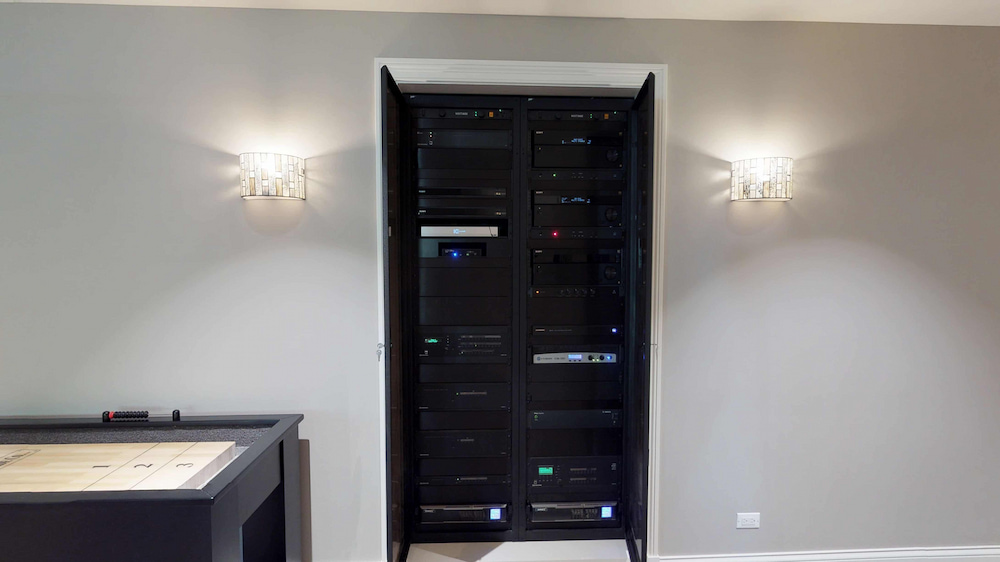
1. A dependable network
Reliable wired connections and professionally placed wireless access points, alongside thoughtful network design, allow devices to communicate consistently throughout the property. Even the most advanced equipment can experience interruptions if the network isn’t designed to support it.
Because nearly every connected feature depends on internet or local network communication, this foundation deserves careful planning before additional devices are added.
2. A central control platform
The control platform acts as the property’s brain. Lighting, shades, audio, climate, security, and other connected features can be managed from one familiar interface, which makes the entire system feel easier to understand and use.
That matters because convenience depends on clarity. A well-designed platform allows household members to adjust the room, start a scene, change the temperature, or check a security feature without opening several separate apps or remembering which device controls which function.
This creates advantages such as:
- One intuitive place to manage connected features
- Coordinated scenes for lighting, shades, audio, climate, and security
- Faster everyday adjustments
- A cleaner experience for family members and guests
- Simplified updates and maintenance
- Consistent operation throughout the house
3. Intelligent devices
Once the infrastructure is in place, individual devices provide the functionality householders interact with every day. For many families, that includes simple control over the televisions, media rooms, streaming sources, speakers, and entertainment spaces they use most often.
These often include:
- Smart lighting control
- Motorized window treatments
- Whole-home audio systems
- TV and media room control
- Streaming source and video distribution control
- Smart thermostats
- Video surveillance cameras
- Access control systems
- Garage door integration
- Voice assistants
The goal is to select devices that communicate effectively with one another while remaining intuitive for everyone in the household.
4. User-friendly controls
A reliable system should feel effortless. Depending on the property, control options may include:
- Wall-mounted touch panels or keypads
- Dedicated handheld remotes
- Mobile apps
- Voice assistants
- Automated schedules
- Motion or occupancy sensors
Providing multiple ways to interact with the property allows every family member to use the system comfortably without relying on a single control method.
What is the best whole home automation system?
There isn’t one universal answer because the “best” platform depends on the property’s size, infrastructure, lifestyle, and future goals. Instead of focusing solely on brand names, homeowners benefit most from selecting a professionally designed solution that can expand as their needs evolve.
Several characteristics separate dependable systems from basic smart setups.
1. Integration instead of isolated devices
Many begin by purchasing individual smart products over time. While these devices often work well independently, managing several apps quickly becomes inconvenient.
A professionally integrated platform allows multiple technologies to communicate automatically. For example, arriving home could simultaneously:
- Unlock the front door
- Turn on selected lights
- Adjust indoor temperature
- Raise motorized shades
- Begin playing music in common areas
These coordinated routines create a smoother daily experience than manually controlling each device.
2. Scalability for future upgrades
Technology changes quickly, but a properly designed system should be ready to accommodate future additions. Householders often expand automation over time by adding:
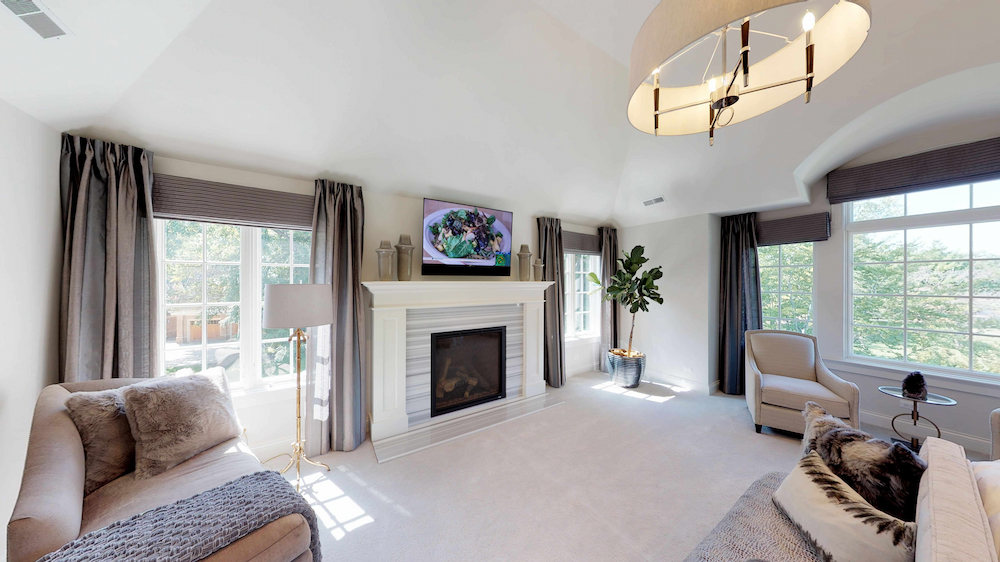
- Additional entertainment spaces
- Outdoor living areas
- New security features
- Energy management tools
- Additional lighting zones
A system designed with future expansion in mind can accommodate new features without requiring major equipment changes.
If you’re evaluating different providers, asking the right questions before a project begins can reveal how well they plan for future growth rather than only today’s installation.
3. Reliability over novelty
The most successful systems aren’t necessarily the ones with the greatest number of features.
Instead, they prioritize:
- Consistent performance
- Fast response times
- Stable software
- Professional programming
- Long-term support
- Easy operation
A dependable system should fade into the background, allowing property owners to enjoy the convenience without constantly troubleshooting devices.
4. Supporting changing lifestyles
Features like automated lighting, scheduled routines, remote monitoring, and simplified controls can make everyday living easier for households of all ages.
For families thinking about accessibility in the future, aging in place with smart technology supports safety. Thoughtful technology planning is an important factor for enhancing comfort while helping the elderly remain independent longer.
5. Why professional design matters
The best projects begin long before equipment is installed. Professional planning considers:
- Room layouts
- Daily routines
- Construction materials
- Lighting design
- Equipment locations
- Network coverage
- Future expansion
- Maintenance access
Planning the system as a whole allows every feature to work together smoothly and feel easy to use. It also reduces compatibility problems and makes future updates or additions easier to complete.
Where can I find a top-rated home automation company near me in Fort Myers, FL?
A reliable system starts with thoughtful planning and expert integration. Liaison Technology Group helps design connected environments that fit routines today while remaining flexible for tomorrow’s needs. Whether you’re building a new residence or upgrading an existing one near the historic Edison and Ford Winter Estates, our team can guide every stage of the process, from network design through final programming, creating a smart space that feels intuitive and built around the way you live. Contact us today to learn more.