Planning a smart home is about much more than choosing devices. Before any equipment is installed, the right plan helps prevent frustrating gaps, compatibility issues, and future limitations.
Whether you’re building a new residence or upgrading an existing one, understanding home automation technologies in Fort Myers, FL, helps you have more productive conversations with professionals and avoid costly changes later. Asking the right questions from the beginning leads to a solution designed around your lifestyle instead of forcing your routine to fit the technology. Read on to gain a better idea of what you should ask.
What does an automation integrator do?
They design, install, program, and maintain systems that allow multiple tools to operate together through a unified platform. Rather than simply connecting individual smart products, an integrator considers how lighting, climate, entertainment, security, networking, and other systems interact throughout the property.
Their responsibilities often include:
- Designing a reliable network infrastructure
- Selecting compatible equipment
- Programming personalized scenes and schedules
- Coordinating with builders, electricians, and designers
- Testing every connected system before handover
- Providing ongoing support as technology evolves
A reliable smart home depends on how well its devices and systems work together, not simply on how many individual products are installed.
What questions are important to ask when defining a strategy for an automation project?
Every property is unique, so no two plans should be identical. These questions can help ensure your project is designed with long-term performance in mind.
1. Which systems will be integrated?
Clarify exactly which devices will communicate together. This might include:
- Smart lighting systems
- Motorized shades
- Whole-home audio
- Security cameras
- Climate control
- Video distribution
Knowing what’s included helps avoid unexpected limitations later.
2. Can the system expand over time?
Many begin with a few connected spaces before expanding into additional rooms or outdoor living areas. Ask whether the design allows future additions without replacing existing hardware.
3. How is the network being designed?
Since nearly every connected feature depends on networking, ask about:
- Wired versus wireless connections
- Wi-Fi coverage
- Equipment placement
- Backup solutions
- Remote access security
A dependable network contributes significantly to the overall user experience.
4. Who programs the automated scenes?
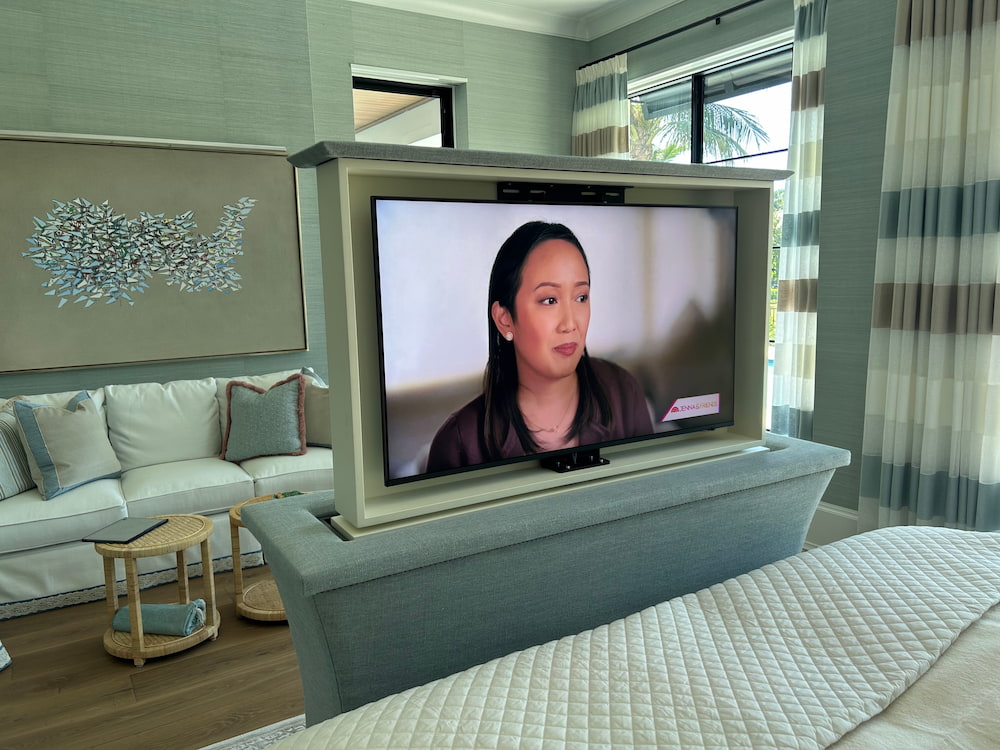
Automated scenes are most effective when several systems work together as part of the same routine. Examples may include:
- Morning routines
- Evening entertainment scenes
- Vacation modes
- Arrival and departure settings
Professional programming ensures these routines feel intuitive rather than complicated.
5. How easy is the system to operate?
Different family members may prefer different control methods. Ask whether the system supports:
- Mobile apps
- Touch panels
- Wall-mounted keypads
- Handheld remotes
- Voice assistants
- Automated schedules
- Sensors that trigger certain actions automatically
The easiest systems do not ask homeowners to manage every feature manually. Lighting can respond to occupancy, shades can adjust on a schedule, climate settings can shift throughout the day, and certain scenes can run with little or no interaction. Thoughtful automation helps the property respond naturally to daily routines, which makes the technology feel more helpful and less demanding.
6. What happens when technology changes?
Smart products continue to evolve. Ask whether software updates, equipment replacements, and future upgrades can be handled without redesigning the entire system. A well-planned system should make future changes easier to manage.
7. How will the installation fit into the property’s design?
A well-integrated system should blend naturally with the home’s architecture and interior design. Discuss:
- Equipment locations
- Hidden wiring
- Rack organization
- Speaker placement
- Touch panel locations
Careful planning keeps the focus on the living space instead of the equipment.
8. What support is available after installation?
Even reliable systems occasionally require adjustments. Ask about:
- Software updates
- Remote diagnostics
- Service appointments
- Ongoing maintenance
Long-term support can be just as valuable as the initial installation.
9. Can the system adapt to changing household needs?
Features like automated lighting, voice control, remote monitoring, and simplified operation may become increasingly valuable as family needs change. Exploring the benefits of smart systems for aging in place offers useful insight into designing solutions that remain practical for years to come.
What are the latest trends in home automation?
Today’s projects focus less on adding gadgets and more on creating seamless experiences throughout the property. Several trends continue gaining popularity.
1. Personalized automation
Instead of manually operating individual devices, people increasingly rely on routines that automatically adjust lighting, climate, entertainment, and security based on time of day or occupancy.
2. Energy-conscious operation
Modern systems can help reduce unnecessary energy use through:
- Scheduled lighting
- Automated shading
- Occupancy sensors
- Intelligent climate adjustments
These features improve convenience while supporting more efficient household management.
3. Outdoor integration
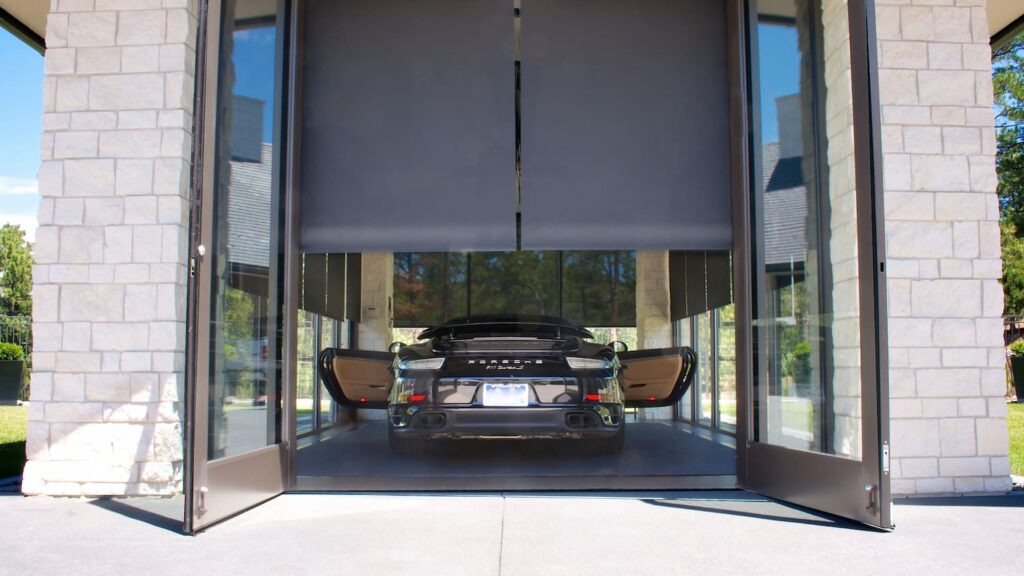
Smart home technology can also extend into outdoor living areas. Many projects include:
- Outdoor lighting control
- Smart landscape lighting
- Pool automation
- Outdoor entertainment systems
Coordinating interior and exterior spaces creates a more unified living experience.
4. Simpler user experiences
As technology advances, interfaces are easier to use. Rather than requiring property owners to manage numerous applications, modern systems increasingly bring multiple innovations together through one intuitive platform.
How should homeowners prepare for the first planning conversation?
Before meeting with an integrator, it helps to think through how the property is used from morning to night. Daily routines, entertaining habits, preferred control methods, privacy concerns, and future plans all influence how the system should be designed.
Homeowners may want to make a short list of priorities, such as easier lighting control, better Wi-Fi coverage, improved security, cleaner entertainment setup, outdoor audio, motorized shades, or more convenient climate management. It also helps to note any frustrations with the current setup, including weak internet areas, too many remotes, confusing apps, exposed wires, or rooms where technology feels harder to use than it should.
Sharing these details early gives the integrator a clearer picture of the home and the people using it. From there, the system can be planned around real habits, future flexibility, and everyday ease.
Who provides reliable home automation technologies near me in Fort Myers, FL?
Choosing the right partner starts with asking thoughtful questions before any equipment is installed. Liaison Technology Group works closely with homeowners to design connected systems that reflect their routines and future plans rather than relying on one-size-fits-all solutions. Our team manages the full process, from planning and system design to installation, programming, and ongoing support, so every connected feature works together seamlessly.
Whether you’re planning a custom home near the Caloosahatchee River or updating an existing property, a collaborative planning process helps ensure every part of your smart system works together with reliability and everyday ease. Reach out today!