For many people, growing older means continuing to enjoy the home they know and love. Thoughtful updates can make it safer, more comfortable, and better suited to changing needs.
With carefully planned smart home automation in Fort Myers, FL, everyday tasks can become easier to manage while promoting comfort and independence. For the person aging in place, that may mean simpler control, better lighting, easier communication, and access to help in an emergency. For family members or caregivers, it may mean appropriate notifications, remote visibility, and added reassurance that daily routines are happening as expected.
Connected technology complements personal care and human support by simplifying routine tasks and reducing everyday challenges. Explore how smart home features can help property owners remain comfortable, confident, and independent in their familiar space.
How can a smart home equipped with technology enhance older residents’ safety and independence?
A smart home can enhance safety and independence by reducing the number of routine tasks that require physical effort or constant attention. Instead of asking someone to remember every switch, lock, or thermostat adjustment, many functions can happen automatically or be controlled with simple commands.
The right system can also support the people who care about that resident. With thoughtful planning and proper permission, selected sensors or alerts can help family members know whether certain daily patterns are taking place, such as movement in key areas, access to a medication cabinet, or activity after a typical wake-up time. The purpose is not to make the home feel monitored, but to create a quieter layer of awareness when extra support is needed.
Better lighting throughout the property
Falls remain one of the leading safety concerns for older adults, making proper lighting especially important. Automated technology can improve visibility through:
These features keep hallways well lit and make it easier to move through the home safely after dark.
- Motion-activated lighting
- Smart lighting control
- Scheduled pathway illumination
- Gradual nighttime lighting
- Automatically illuminated entryways
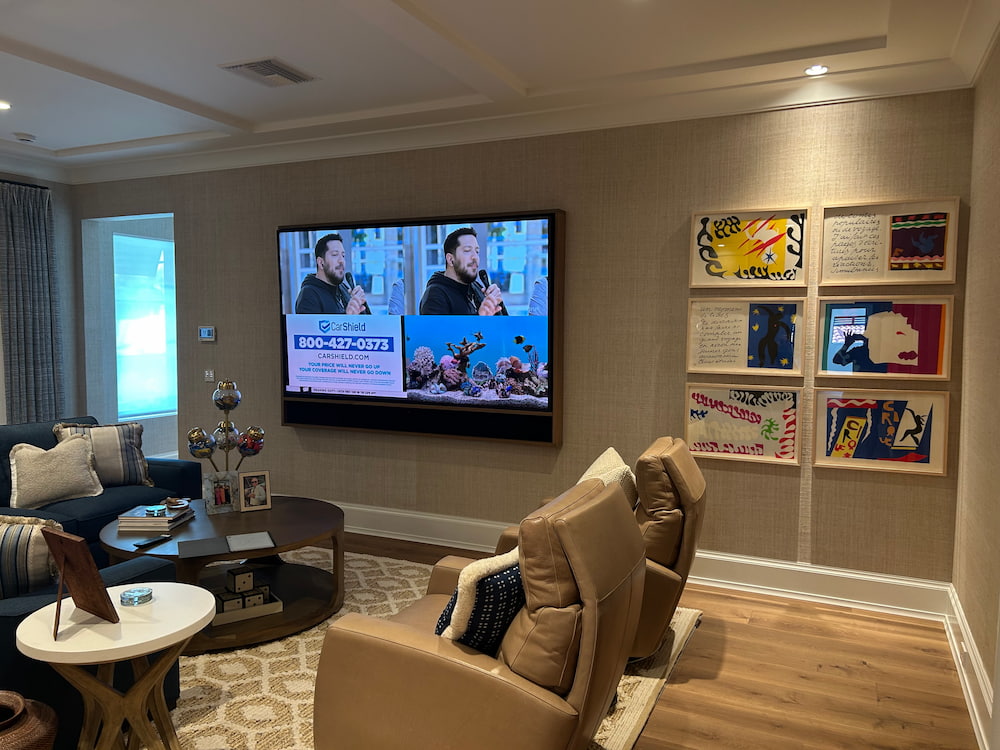
Easier environmental control
Automated heating and cooling systems can adjust throughout the day based on residents’ routines and comfort preferences. Benefits include:
- Comfortable indoor temperatures
- Reduced need to adjust thermostats manually
- Energy-conscious operation
- Remote adjustments when away from home
This convenience is especially valuable for people with limited mobility.
Improved security and awareness
Connected security devices allow residents to see who is at the front door, receive alerts, and confirm that doors are locked without having to walk across the house.
Helpful technologies include:
- Video doorbells
- Smart door locks
- Connected security cameras
- Window and door sensors
- Remote monitoring
These systems offer greater visibility and help residents feel more secure at home.
Less physical effort every day
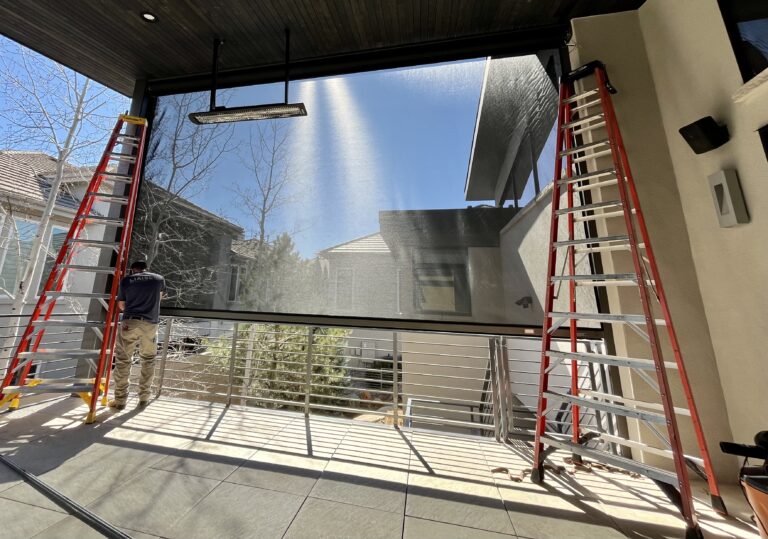
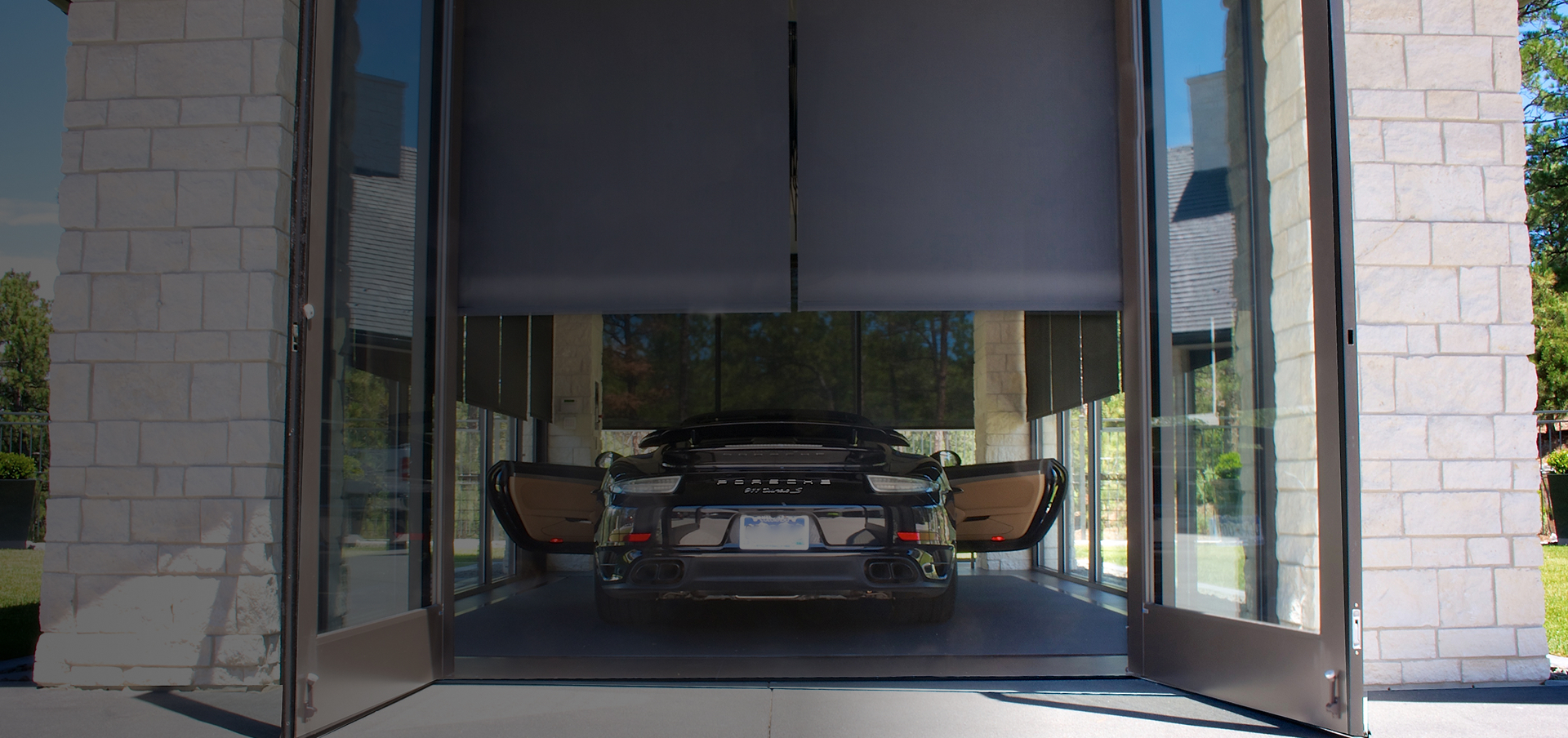
Motorized shades and automated routines reduce repetitive daily tasks that may become more difficult over time. Instead of managing each device individually, one command can adjust multiple systems simultaneously, making everyday living more comfortable and manageable.
What is the best technology for the elderly?
There is no single device that meets every homeowner’s needs. The most effective solutions are those selected to support an individual’s lifestyle and mobility. Several technologies consistently provide meaningful benefits.
1. Voice-controlled assistance
Voice assistants allow you to control lighting, music, thermostats, and other connected features using simple spoken commands.
This can be particularly helpful when carrying items or moving through the house. For someone aging in place, voice control can also be part of an emergency plan, allowing them to call a loved one, trigger a routine, or request help when supported by the system design.
2. Personal emergency response options
Personal emergency response systems, often called PERS devices, can provide another important layer of support. These may include wearable buttons, wall-mounted help buttons, fall-detection devices, or voice-accessible emergency features, depending on the system and service being used.
For the resident, this can make help easier to reach. For caregivers, it can offer reassurance that there is a clear action path if something unexpected happens.
3. Automated lighting
This remains one of the simplest upgrades with lasting value. It offers:
- Improved nighttime visibility
- Reduced need to remember switches
- Greater convenience
- Consistent lighting schedules
4. Smart entry systems
Keyless locks make it easier to enter the home and give trusted family members or caregivers access when needed. Temporary codes can be shared without handing out spare keys.
5. Reliable communication between devices
Individual products become much more useful when they work together as part of a larger system. Dependable networking and centralized control, together with professional planning, all contribute to long-term performance.
What technology supports aging in place?
Successful aging-in-place design focuses on creating an environment that adapts alongside its occupants rather than requiring constant adjustments.
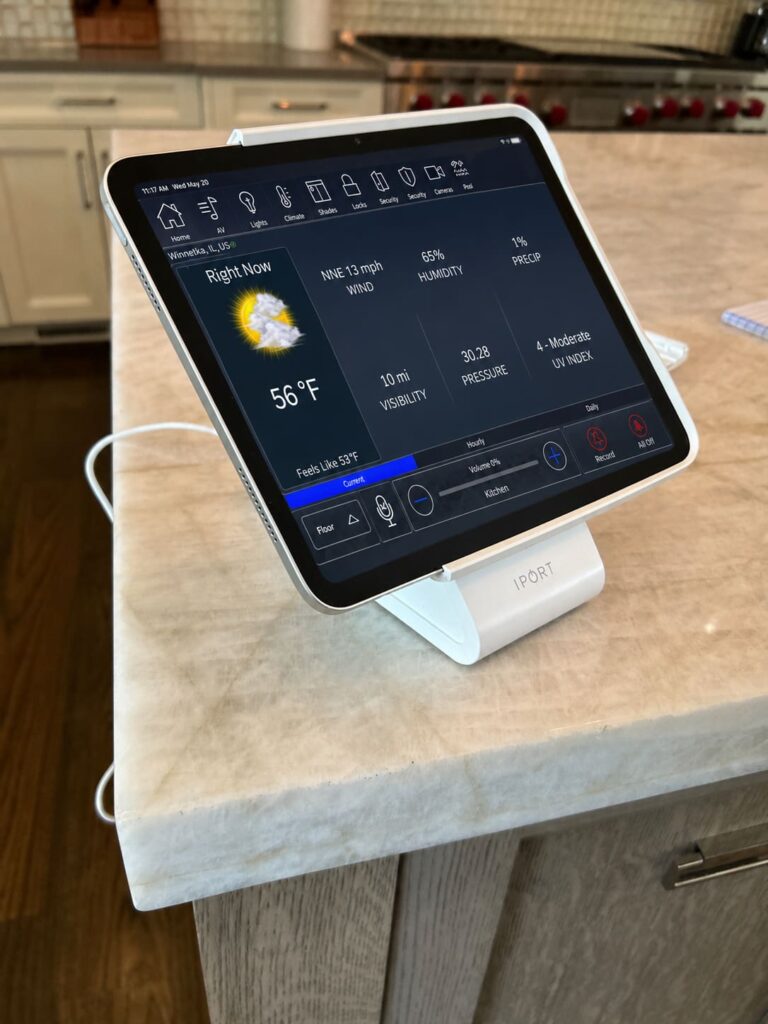
1. Personalized routines
It allows multiple systems to respond automatically throughout the day. Examples include:
- Morning lighting scenes
- Evening security checks
- Automatic thermostat adjustments
- Scheduled shade operation
- Exterior lighting at sunset
These routines reduce the number of daily decisions while creating a more comfortable living environment.
2. Remote access for family members
Some systems allow trusted relatives to receive notifications or help manage selected features when appropriate. For example, a family member may confirm that lights are on, verify a door has been locked, or assist with climate settings without being physically present.
Depending on the needs of the household, technology may also help confirm that ordinary routines are taking place. Activity sensors can show movement in common areas, entry sensors can indicate whether a door has opened, and cabinet sensors may help confirm access to medication or other daily essentials. These features should always be planned with consent, privacy, and comfort in mind.
3. Planning for future needs
Even if accessibility isn’t an immediate concern, designing a flexible system today makes future adjustments much easier.
Discussing various questions with an expert before starting a project can help identify scalable solutions that continue meeting your needs as technology evolves and household priorities change.
The best aging-in-place technology is measured by how naturally those devices fit into everyday life, helping homeowners remain confident and independent.
Who can deliver high-quality smart home automation near me in Fort Myers, FL?
Liaison Technology Group makes advanced home automation simple, reliable, and practical. From system design and project coordination to installation and ongoing support, our team creates connected homes that are easier to manage, more secure, and ready to adapt over time. Whether you live near the Six Mile Cypress Slough Preserve or elsewhere in the area, contact us to plan a smart home system built around your comfort, independence, and daily routine.