217-675-7404 Contact Us
Posted on by seooneclick

The Anatomy of a Reliable Home Automation System

A connected property is only as dependable as the foundation behind it. While smart devices often receive the most attention, they perform best when they are part of a carefully planned ecosystem instead of a collection of standalone products. Working with a reliable home automation company in Fort Myers, FL, helps property owners create a system where lighting, entertainment, climate, security, and networking operate together without unnecessary complexity. 

Understanding the building blocks of a reliable installation makes it easier to invest in technology that remains useful and easy to manage for years to come. Read on to learn about the key components of an automated system.

What are the main parts of an automated system? 

A modern system consists of several interconnected components that work together behind the scenes. Rather than thinking of it as a single product, it’s more accurate to view it as a coordinated network of technologies.

1. A dependable network

Reliable wired connections and professionally placed wireless access points, alongside thoughtful network design, allow devices to communicate consistently throughout the property. Even the most advanced equipment can experience interruptions if the network isn’t designed to support it.

Because nearly every connected feature depends on internet or local network communication, this foundation deserves careful planning before additional devices are added.

What are the main parts of an automated system?

2. A central control platform

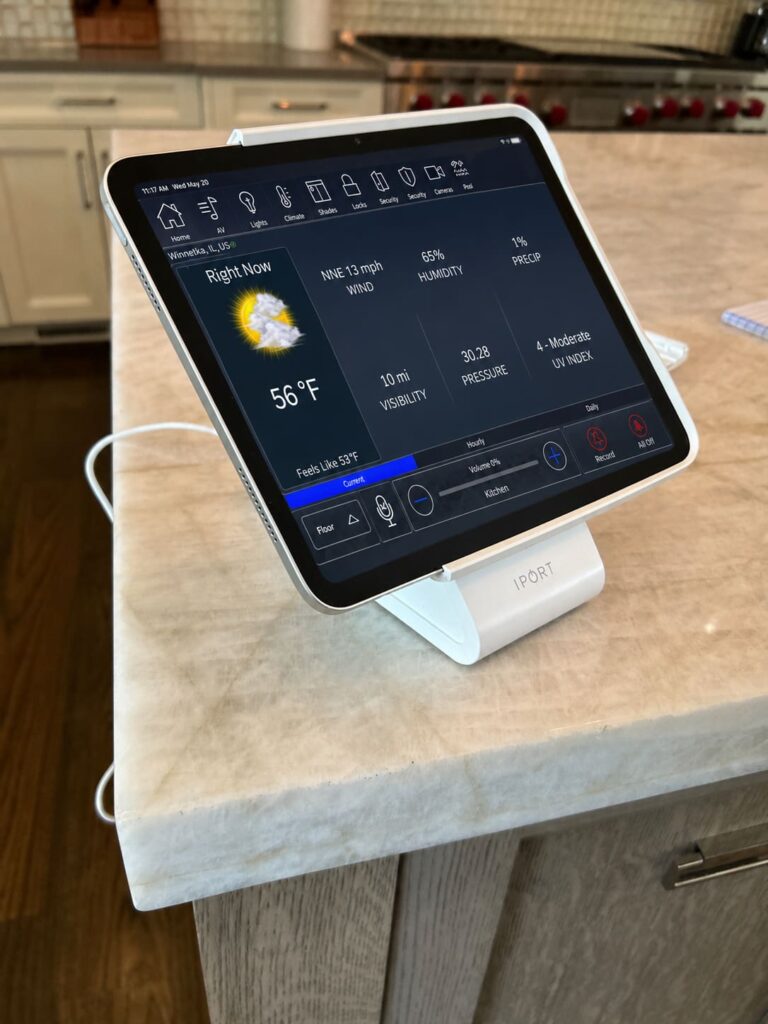
The control platform acts as the property’s brain. Lighting, shades, audio, climate, security, and other connected features can be managed from one familiar interface, which makes the entire system feel easier to understand and use.

That matters because convenience depends on clarity. A well-designed platform allows household members to adjust the room, start a scene, change the temperature, or check a security feature without opening several separate apps or remembering which device controls which function.

This creates advantages such as:

  • One intuitive place to manage connected features
  • Coordinated scenes for lighting, shades, audio, climate, and security
  • Faster everyday adjustments
  • A cleaner experience for family members and guests
  • Simplified updates and maintenance
  • Consistent operation throughout the house

3. Intelligent devices

Once the infrastructure is in place, individual devices provide the functionality householders interact with every day. For many families, that includes simple control over the televisions, media rooms, streaming sources, speakers, and entertainment spaces they use most often.

These often include:

  • Smart lighting control
  • Motorized window treatments
  • Whole-home audio systems
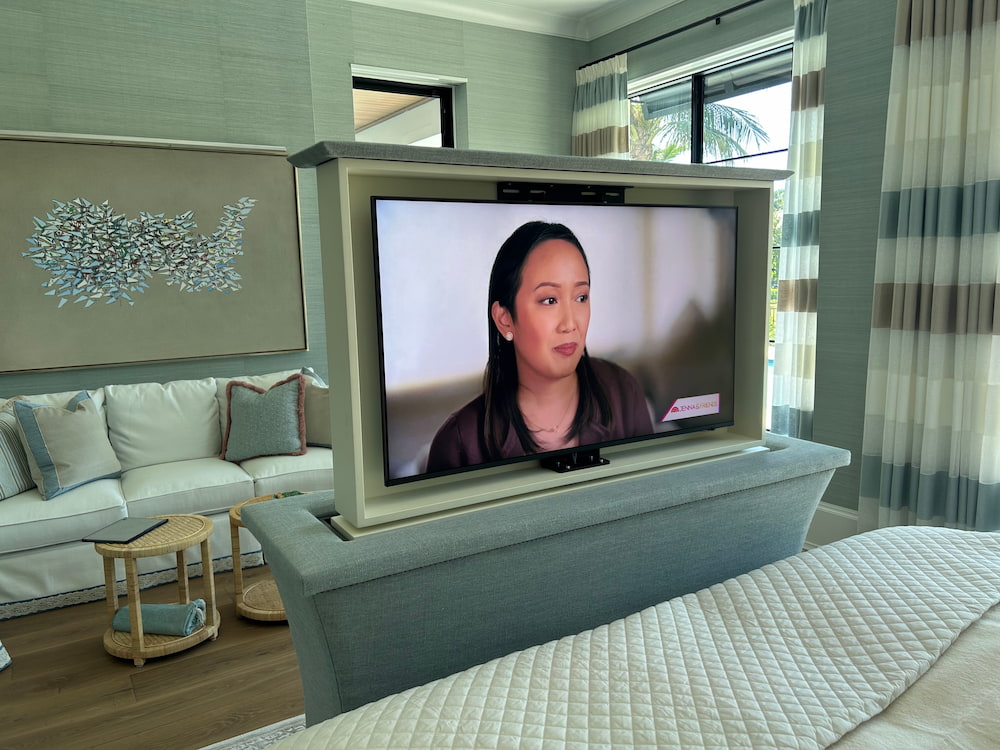
  • TV and media room control
  • Streaming source and video distribution control
  • Smart thermostats
  • Video surveillance cameras
  • Access control systems
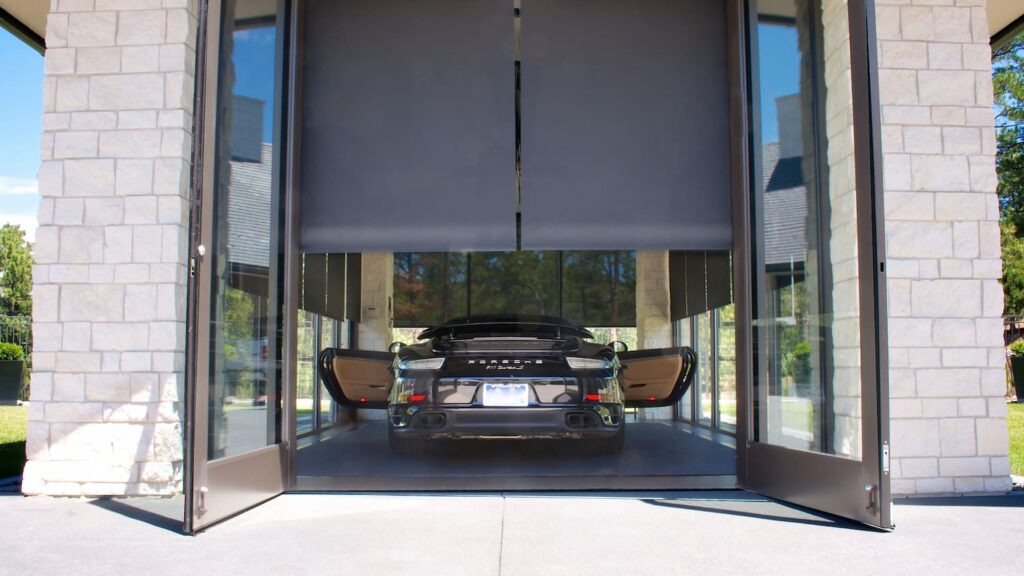
  • Garage door integration
  • Voice assistants

The goal is to select devices that communicate effectively with one another while remaining intuitive for everyone in the household.

4. User-friendly controls

A reliable system should feel effortless. Depending on the property, control options may include:

  • Wall-mounted touch panels or keypads
  • Dedicated handheld remotes
  • Mobile apps
  • Voice assistants
  • Automated schedules
  • Motion or occupancy sensors

Providing multiple ways to interact with the property allows every family member to use the system comfortably without relying on a single control method.

What is the best whole home automation system? 

There isn’t one universal answer because the “best” platform depends on the property’s size, infrastructure, lifestyle, and future goals. Instead of focusing solely on brand names, homeowners benefit most from selecting a professionally designed solution that can expand as their needs evolve.

Several characteristics separate dependable systems from basic smart setups.

1. Integration instead of isolated devices

Many begin by purchasing individual smart products over time. While these devices often work well independently, managing several apps quickly becomes inconvenient.

A professionally integrated platform allows multiple technologies to communicate automatically. For example, arriving home could simultaneously:

  • Unlock the front door
  • Turn on selected lights
  • Adjust indoor temperature
  • Raise motorized shades
  • Begin playing music in common areas

These coordinated routines create a smoother daily experience than manually controlling each device.

2. Scalability for future upgrades

Technology changes quickly, but a properly designed system should be ready to accommodate future additions. Householders often expand automation over time by adding:

What is the best whole home automation system?
  • Additional entertainment spaces
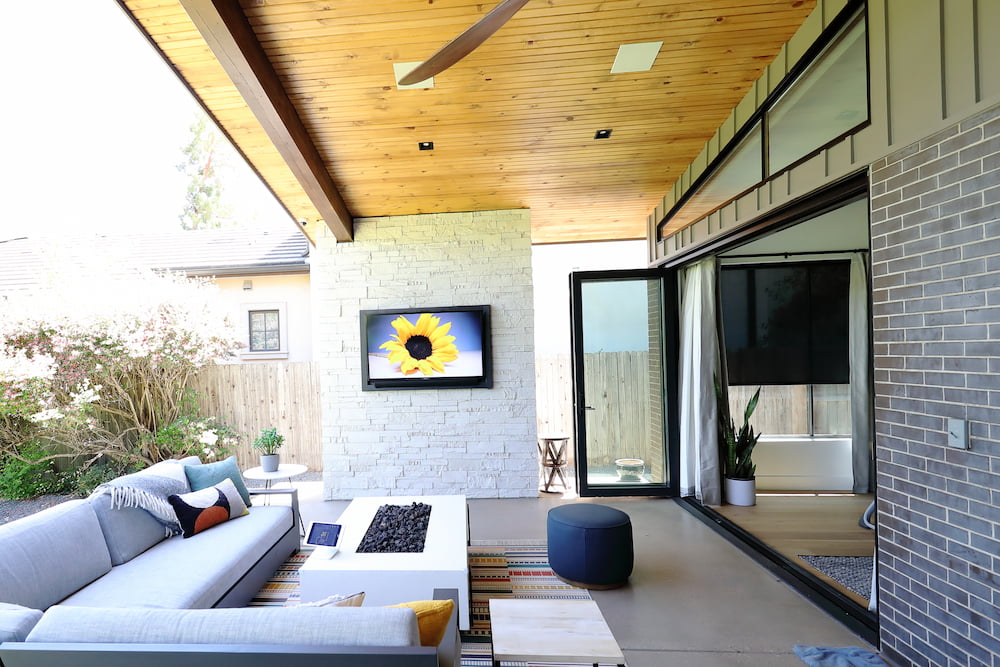
  • Outdoor living areas
  • New security features
  • Energy management tools
  • Additional lighting zones

A system designed with future expansion in mind can accommodate new features without requiring major equipment changes. 

If you’re evaluating different providers, asking the right questions before a project begins can reveal how well they plan for future growth rather than only today’s installation.

3. Reliability over novelty

The most successful systems aren’t necessarily the ones with the greatest number of features.

Instead, they prioritize:

  • Consistent performance
  • Fast response times
  • Stable software
  • Professional programming
  • Long-term support
  • Easy operation

A dependable system should fade into the background, allowing property owners to enjoy the convenience without constantly troubleshooting devices.

4. Supporting changing lifestyles

Features like automated lighting, scheduled routines, remote monitoring, and simplified controls can make everyday living easier for households of all ages.

For families thinking about accessibility in the future, aging in place with smart technology supports safety. Thoughtful technology planning is an important factor for enhancing comfort while helping the elderly remain independent longer.

5. Why professional design matters

The best projects begin long before equipment is installed. Professional planning considers:

  • Room layouts
  • Daily routines
  • Construction materials
  • Lighting design
  • Equipment locations
  • Network coverage
  • Future expansion
  • Maintenance access

Planning the system as a whole allows every feature to work together smoothly and feel easy to use. It also reduces compatibility problems and makes future updates or additions easier to complete. 

Where can I find a top-rated home automation company near me in Fort Myers, FL?

A reliable system starts with thoughtful planning and expert integration. Liaison Technology Group helps design connected environments that fit routines today while remaining flexible for tomorrow’s needs. Whether you’re building a new residence or upgrading an existing one near the historic Edison and Ford Winter Estates, our team can guide every stage of the process, from network design through final programming, creating a smart space that feels intuitive and built around the way you live. Contact us today to learn more.

Posted on by Steve Weber

Press Release: Sapphire Joins the Liaison Technology Group Family, Strengthening Local Service with Expanded Resources

ST. PETERSBURG, Fl. — After more than 11 years of building trusted relationships throughout the St. Petersburg region, Sapphire is entering an exciting new chapter by joining the Liaison Technology Group family.

For Sapphire, customers have always come first—and that won’t change. The same local team, personalized service, and commitment to building lasting relationships will continue to define every project. Through this partnership, clients will now benefit from the expanded resources, technical expertise, and long-term support of Liaison Technology Group while continuing to work with the people they know and trust.

The transition has been thoughtfully planned with one priority in mind: protecting the relationships Sapphire has built within the community. Current projects will continue without interruption, existing commitments will be honored, and customers can expect the same personalized experience that has made Sapphire a trusted technology partner throughout the region.

As an award-winning technology integration company, Liaison Technology Group brings additional strength to Sapphire’s local team. Recognized as one of the nation’s leading technology integrators, Liaison was recently ranked #11 on the CE Pro 100, one of the industry’s most respected rankings of custom integration firms. With multiple locations throughout Florida and across the country, Liaison combines the strength and resources of a nationally recognized organization with the responsiveness of local teams who understand the communities they serve.

“This was never about walking away from Sapphire,” said Meredith Rodgers, co-founder of Sapphire. “John and I built Sapphire around one simple philosophy: our customers always come first. Every decision we’ve made over the past 11 years has been guided by creating a personalized experience and building relationships that last long after a project is complete. As my family begins a new chapter in South Carolina, it was incredibly important to find a partner who shared those same values. Liaison Technology Group was the right fit because they understand that technology is important, but people always come first. I’ll continue to be involved during the transition to help ensure our customers receive the same personalized experience they’ve always known.”

John Rodgers, co-founder of Sapphire, said the partnership allows the company to continue growing while staying true to its roots.

“We’ve always believed that our reputation is built on one customer and one project at a time,” Rodgers said. “Joining Liaison Technology Group allows us to build on everything we’ve created while giving our team and our clients access to additional resources and long-term support. The people our clients know and trust aren’t going anywhere—we’re simply adding more strength behind the scenes to better serve them for years to come.”

Liaison Technology Group specializes in residential and commercial technology integration, including home automation, networking, audio, video, lighting control, motorized shading, security, and smart building solutions. The partnership positions Sapphire to better serve the continued growth throughout the Tampa Bay region while maintaining the local service model that customers have come to expect.

“One of the things that impressed me most about Sapphire was their unwavering commitment to putting customers first,” said Steve Weber, owner of Liaison Technology Group. “Meredith, John, and their team have built something truly special by delivering a personalized experience for every client and earning trust one relationship at a time. Our role isn’t to change that—it’s to strengthen it. We’re bringing additional resources, expanded expertise, and the support of Liaison Technology Group while preserving the local culture and customer relationships that have made Sapphire so successful. Together, we’re creating an even stronger future for Sapphire’s clients, employees, and the communities they serve.”

Over the coming months, customers will gradually begin to see Sapphire identified as “A Liaison Technology Group Company” across customer communications, email signatures, marketing materials, and other customer touchpoints. This thoughtful approach reflects both companies’ commitment to introducing the partnership in a way that is transparent, reassuring, and centered around the customer experience.

The partnership also positions Sapphire to meet the growing demand for technology integration throughout the Tampa Bay region, including luxury homes, condominiums, multifamily developments, and commercial properties. By combining Sapphire’s local expertise with Liaison’s expanded capabilities, clients gain access to additional resources without sacrificing the personalized experience that has defined the company since its founding.

While the company continues to grow, one thing remains unchanged: customers come first. Sapphire will continue delivering the personalized experience and trusted relationships it has built its reputation on—now backed by the expanded resources, technical expertise, and long-term strength of Liaison Technology Group.

# # #

About Sapphire

Founded by Meredith and John Rodgers, Sapphire has proudly served the St. Petersburg region for more than 11 years, providing custom technology solutions for homes and businesses. Built on a foundation of trust, craftsmanship, and exceptional customer service, Sapphire has earned a reputation for creating lasting client relationships and delivering personalized technology experiences.

About Liaison Technology Group

Founded by Steve Weber in 2014, a former surgeon with a lifelong focus on technology and precision, Liaison Technology Group is an award-winning, nationally expanding residential and commercial technology integration platform with locations in Illinois, Tennessee, Florida, and Colorado. Recognized as one of the nation’s leading technology integration firms, Liaison was recently ranked #11 on the CE Pro 100, one of the industry’s most respected rankings of custom integration companies. Weber entered the industry with a vision to bring a higher level of precision, communication, and client experience to technology integration.

Liaison designs, engineers, and supports residential and commercial technology systems, including lighting design, motorized shading, audio and video distribution, security, networking, and energy management. Supported by a multidisciplinary team of programmers, designers, engineers, and lighting specialists, the company delivers fully integrated technology environments that balance performance, aesthetics, and long-term reliability.

The Liaison Technology Group family continues to expand through specialized divisions and affiliated brands operating under the Liaison umbrella, including Pro Audio, a Liaison Technology Group Company, Liaison Outdoor Lighting, and Illuminated Lighting Design.

Liaison works closely with homeowners, builders, architects, interior designers, and developers to manage the entire integration lifecycle—from system design and engineering through project coordination, installation oversight, and ongoing support.

The company focuses on creating intuitive environments where technology enhances everyday living, delivering experiences that feel seamless, effortless, and thoughtfully designed around the way people live and work. In addition to its national industry recognition, Liaison has earned numerous business and technology awards and proudly supports charitable organizations and community initiatives in the markets it serves.

strategic commercial automation solutions

Why partner with Liaison

Technology should make a space feel clearer, more intuitive, and more connected to the people inside it. That idea has shaped our story from the beginning. As a trusted home automation company and growing technology group, our role is to bring order to complex projects through careful listening, thoughtful coordination, and systems that respect the intent of the space.

We bring that level of care to residential and commercial environments, supported by award-winning standards, respected industry relationships, and deep experience across design, engineering, installation, and long-term support.

Clients choose us for the strength of a larger organization and the attentiveness of a team that treats every project personally. The work is precise, the communication stays clear, and the experience continues to feel considered long after the system is complete.

Posted on by Steve Weber

Aging in Place With Home Automation: Supporting Safety & Independence

How can a smart home equipped with technology enhance older residents' safety and independence?

For many people, growing older means continuing to enjoy the home they know and love. Thoughtful updates can make it safer, more comfortable, and better suited to changing needs. 

With carefully planned smart home automation in Fort Myers, FL, everyday tasks can become easier to manage while promoting comfort and independence. For the person aging in place, that may mean simpler control, better lighting, easier communication, and access to help in an emergency. For family members or caregivers, it may mean appropriate notifications, remote visibility, and added reassurance that daily routines are happening as expected.

Connected technology complements personal care and human support by simplifying routine tasks and reducing everyday challenges. Explore how smart home features can help property owners remain comfortable, confident, and independent in their familiar space.

How can a smart home equipped with technology enhance older residents’ safety and independence? 

A smart home can enhance safety and independence by reducing the number of routine tasks that require physical effort or constant attention. Instead of asking someone to remember every switch, lock, or thermostat adjustment, many functions can happen automatically or be controlled with simple commands.

The right system can also support the people who care about that resident. With thoughtful planning and proper permission, selected sensors or alerts can help family members know whether certain daily patterns are taking place, such as movement in key areas, access to a medication cabinet, or activity after a typical wake-up time. The purpose is not to make the home feel monitored, but to create a quieter layer of awareness when extra support is needed.

Better lighting throughout the property

Falls remain one of the leading safety concerns for older adults, making proper lighting especially important. Automated technology can improve visibility through:

These features keep hallways well lit and make it easier to move through the home safely after dark. 

  • Motion-activated lighting
  • Smart lighting control
  • Scheduled pathway illumination
  • Gradual nighttime lighting
  • Automatically illuminated entryways
What technology supports aging in place?

Easier environmental control

Automated heating and cooling systems can adjust throughout the day based on residents’ routines and comfort preferences. Benefits include:

  • Comfortable indoor temperatures
  • Reduced need to adjust thermostats manually
  • Energy-conscious operation
  • Remote adjustments when away from home

This convenience is especially valuable for people with limited mobility.

Improved security and awareness

Connected security devices allow residents to see who is at the front door, receive alerts, and confirm that doors are locked without having to walk across the house. 

Helpful technologies include:

These systems offer greater visibility and help residents feel more secure at home. 

Less physical effort every day

Motorized shades and automated routines reduce repetitive daily tasks that may become more difficult over time. Instead of managing each device individually, one command can adjust multiple systems simultaneously, making everyday living more comfortable and manageable.

What is the best technology for the elderly? 

There is no single device that meets every homeowner’s needs. The most effective solutions are those selected to support an individual’s lifestyle and mobility. Several technologies consistently provide meaningful benefits.

1. Voice-controlled assistance

Voice assistants allow you to control lighting, music, thermostats, and other connected features using simple spoken commands. 

This can be particularly helpful when carrying items or moving through the house. For someone aging in place, voice control can also be part of an emergency plan, allowing them to call a loved one, trigger a routine, or request help when supported by the system design. 

2. Personal emergency response options

Personal emergency response systems, often called PERS devices, can provide another important layer of support. These may include wearable buttons, wall-mounted help buttons, fall-detection devices, or voice-accessible emergency features, depending on the system and service being used.

For the resident, this can make help easier to reach. For caregivers, it can offer reassurance that there is a clear action path if something unexpected happens.

3. Automated lighting

This remains one of the simplest upgrades with lasting value. It offers:

  • Improved nighttime visibility
  • Reduced need to remember switches
  • Greater convenience
  • Consistent lighting schedules

4. Smart entry systems

Keyless locks make it easier to enter the home and give trusted family members or caregivers access when needed. Temporary codes can be shared without handing out spare keys. 

5. Reliable communication between devices

Individual products become much more useful when they work together as part of a larger system. Dependable networking and centralized control, together with professional planning, all contribute to long-term performance.

What technology supports aging in place? 

Successful aging-in-place design focuses on creating an environment that adapts alongside its occupants rather than requiring constant adjustments.

What is the best technology for the elderly?

1. Personalized routines

It allows multiple systems to respond automatically throughout the day. Examples include:

  • Morning lighting scenes
  • Evening security checks
  • Automatic thermostat adjustments
  • Scheduled shade operation
  • Exterior lighting at sunset

These routines reduce the number of daily decisions while creating a more comfortable living environment.

2. Remote access for family members

Some systems allow trusted relatives to receive notifications or help manage selected features when appropriate. For example, a family member may confirm that lights are on, verify a door has been locked, or assist with climate settings without being physically present.

Depending on the needs of the household, technology may also help confirm that ordinary routines are taking place. Activity sensors can show movement in common areas, entry sensors can indicate whether a door has opened, and cabinet sensors may help confirm access to medication or other daily essentials. These features should always be planned with consent, privacy, and comfort in mind. 

3. Planning for future needs

Even if accessibility isn’t an immediate concern, designing a flexible system today makes future adjustments much easier.

Discussing various questions with an expert before starting a project can help identify scalable solutions that continue meeting your needs as technology evolves and household priorities change.

The best aging-in-place technology is measured by how naturally those devices fit into everyday life, helping homeowners remain confident and independent.

Who can deliver high-quality smart home automation near me in Fort Myers, FL?

Liaison Technology Group makes advanced home automation simple, reliable, and practical. From system design and project coordination to installation and ongoing support, our team creates connected homes that are easier to manage, more secure, and ready to adapt over time. Whether you live near the Six Mile Cypress Slough Preserve or elsewhere in the area, contact us to plan a smart home system built around your comfort, independence, and daily routine.

strategic commercial automation solutions

Why partner with Liaison

Technology should make a space feel clearer, more intuitive, and more connected to the people inside it. That idea has shaped our story from the beginning. As a trusted home automation company and growing technology group, our role is to bring order to complex projects through careful listening, thoughtful coordination, and systems that respect the intent of the space.

We bring that level of care to residential and commercial environments, supported by award-winning standards, respected industry relationships, and deep experience across design, engineering, installation, and long-term support.

Clients choose us for the strength of a larger organization and the attentiveness of a team that treats every project personally. The work is precise, the communication stays clear, and the experience continues to feel considered long after the system is complete.
Posted on by Steve Weber

9 Questions to Ask a Home Automation Integrator Before Starting a Project 

What questions are important to ask when defining a strategy for an automation project?

Planning a smart home is about much more than choosing devices. Before any equipment is installed, the right plan helps prevent frustrating gaps, compatibility issues, and future limitations.

Whether you’re building a new residence or upgrading an existing one, understanding home automation technologies in Fort Myers, FL, helps you have more productive conversations with professionals and avoid costly changes later. Asking the right questions from the beginning leads to a solution designed around your lifestyle instead of forcing your routine to fit the technology. Read on to gain a better idea of what you should ask.

What does an automation integrator do? 

They design, install, program, and maintain systems that allow multiple tools to operate together through a unified platform. Rather than simply connecting individual smart products, an integrator considers how lighting, climate, entertainment, security, networking, and other systems interact throughout the property.

Their responsibilities often include:

  • Designing a reliable network infrastructure
  • Selecting compatible equipment
  • Programming personalized scenes and schedules
  • Coordinating with builders, electricians, and designers
  • Testing every connected system before handover
  • Providing ongoing support as technology evolves

A reliable smart home depends on how well its devices and systems work together, not simply on how many individual products are installed. 

What questions are important to ask when defining a strategy for an automation project? 

Every property is unique, so no two plans should be identical. These questions can help ensure your project is designed with long-term performance in mind.

1. Which systems will be integrated?

Clarify exactly which devices will communicate together. This might include:

  • Smart lighting systems
  • Motorized shades
  • Whole-home audio
  • Security cameras
  • Climate control
  • Video distribution

Knowing what’s included helps avoid unexpected limitations later.

2. Can the system expand over time?

Many begin with a few connected spaces before expanding into additional rooms or outdoor living areas. Ask whether the design allows future additions without replacing existing hardware.

3. How is the network being designed?

Since nearly every connected feature depends on networking, ask about:

  • Wired versus wireless connections
  • Wi-Fi coverage
  • Equipment placement
  • Backup solutions
  • Remote access security

A dependable network contributes significantly to the overall user experience.

4. Who programs the automated scenes?

What does an automation integrator do?

Automated scenes are most effective when several systems work together as part of the same routine. Examples may include: 

  • Morning routines
  • Evening entertainment scenes
  • Vacation modes
  • Arrival and departure settings

Professional programming ensures these routines feel intuitive rather than complicated.

5. How easy is the system to operate?

Different family members may prefer different control methods. Ask whether the system supports:

  • Mobile apps
  • Touch panels
  • Wall-mounted keypads
  • Handheld remotes
  • Voice assistants
  • Automated schedules
  • Sensors that trigger certain actions automatically

The easiest systems do not ask homeowners to manage every feature manually. Lighting can respond to occupancy, shades can adjust on a schedule, climate settings can shift throughout the day, and certain scenes can run with little or no interaction. Thoughtful automation helps the property respond naturally to daily routines, which makes the technology feel more helpful and less demanding. 

6. What happens when technology changes?

Smart products continue to evolve. Ask whether software updates, equipment replacements, and future upgrades can be handled without redesigning the entire system. A well-planned system should make future changes easier to manage. 

7. How will the installation fit into the property’s design?

A well-integrated system should blend naturally with the home’s architecture and interior design. Discuss:

  • Equipment locations
  • Hidden wiring
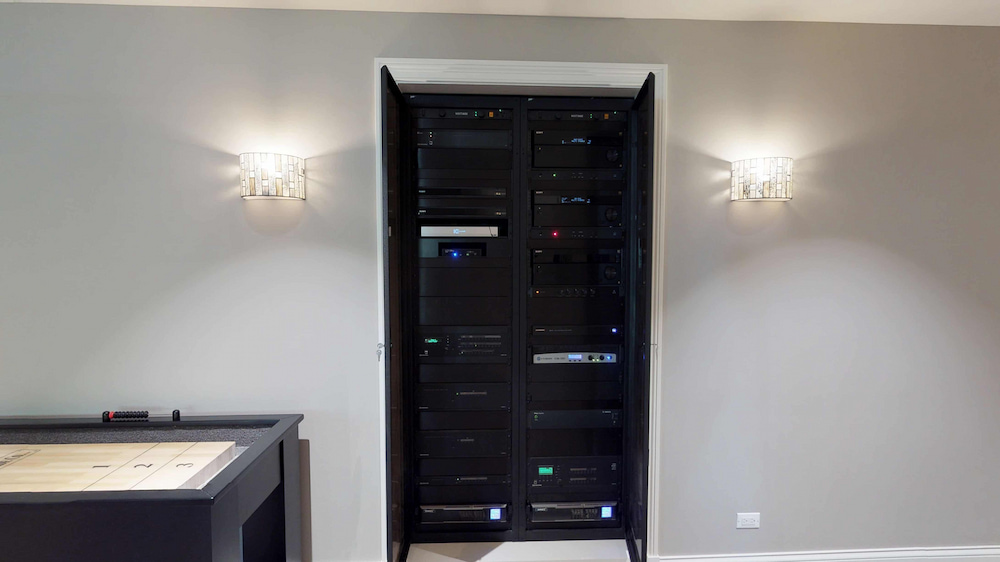
  • Rack organization
  • Speaker placement
  • Touch panel locations

Careful planning keeps the focus on the living space instead of the equipment.

8. What support is available after installation?

Even reliable systems occasionally require adjustments. Ask about:

  • Software updates
  • Remote diagnostics
  • Service appointments
  • Ongoing maintenance

Long-term support can be just as valuable as the initial installation.

9. Can the system adapt to changing household needs?

Features like automated lighting, voice control, remote monitoring, and simplified operation may become increasingly valuable as family needs change. Exploring the benefits of smart systems for aging in place offers useful insight into designing solutions that remain practical for years to come.

What are the latest trends in home automation? 

Today’s projects focus less on adding gadgets and more on creating seamless experiences throughout the property. Several trends continue gaining popularity.

1. Personalized automation

Instead of manually operating individual devices, people increasingly rely on routines that automatically adjust lighting, climate, entertainment, and security based on time of day or occupancy.

2. Energy-conscious operation

Modern systems can help reduce unnecessary energy use through:

  • Scheduled lighting
  • Automated shading
  • Occupancy sensors
  • Intelligent climate adjustments

These features improve convenience while supporting more efficient household management.

3. Outdoor integration

Who provides reliable home automation technologies near me in Fort Myers, FL?

Smart home technology can also extend into outdoor living areas. Many projects include: 

  • Outdoor lighting control
  • Smart landscape lighting
  • Pool automation
  • Outdoor entertainment systems

Coordinating interior and exterior spaces creates a more unified living experience.

4. Simpler user experiences

As technology advances, interfaces are easier to use. Rather than requiring property owners to manage numerous applications, modern systems increasingly bring multiple innovations together through one intuitive platform.

How should homeowners prepare for the first planning conversation?

Before meeting with an integrator, it helps to think through how the property is used from morning to night. Daily routines, entertaining habits, preferred control methods, privacy concerns, and future plans all influence how the system should be designed.

Homeowners may want to make a short list of priorities, such as easier lighting control, better Wi-Fi coverage, improved security, cleaner entertainment setup, outdoor audio, motorized shades, or more convenient climate management. It also helps to note any frustrations with the current setup, including weak internet areas, too many remotes, confusing apps, exposed wires, or rooms where technology feels harder to use than it should.

Sharing these details early gives the integrator a clearer picture of the home and the people using it. From there, the system can be planned around real habits, future flexibility, and everyday ease.

Who provides reliable home automation technologies near me in Fort Myers, FL?

Choosing the right partner starts with asking thoughtful questions before any equipment is installed. Liaison Technology Group works closely with homeowners to design connected systems that reflect their routines and future plans rather than relying on one-size-fits-all solutions. Our team manages the full process, from planning and system design to installation, programming, and ongoing support, so every connected feature works together seamlessly. 

Whether you’re planning a custom home near the Caloosahatchee River or updating an existing property, a collaborative planning process helps ensure every part of your smart system works together with reliability and everyday ease. Reach out today!

strategic commercial automation solutions

Why partner with Liaison

Technology should make a space feel clearer, more intuitive, and more connected to the people inside it. That idea has shaped our story from the beginning. As a trusted home automation company and growing technology group, our role is to bring order to complex projects through careful listening, thoughtful coordination, and systems that respect the intent of the space.

We bring that level of care to residential and commercial environments, supported by award-winning standards, respected industry relationships, and deep experience across design, engineering, installation, and long-term support.

Clients choose us for the strength of a larger organization and the attentiveness of a team that treats every project personally. The work is precise, the communication stays clear, and the experience continues to feel considered long after the system is complete.
Posted on by Steve Weber

The Anatomy of a Reliable Home Automation System

Where can I find a top-rated home automation company near me in Fort Myers, FL?

A connected property is only as dependable as the foundation behind it. While smart devices often receive the most attention, they perform best when they are part of a carefully planned ecosystem instead of a collection of standalone products. Working with a reliable home automation company in Fort Myers, FL, helps property owners create a system where lighting, entertainment, climate, security, and networking operate together without unnecessary complexity. 

Understanding the building blocks of a reliable installation makes it easier to invest in technology that remains useful and easy to manage for years to come. Read on to learn about the key components of an automated system.

What are the main parts of an automated system? 

A modern system consists of several interconnected components that work together behind the scenes. Rather than thinking of it as a single product, it’s more accurate to view it as a coordinated network of technologies.

1. A dependable network

Reliable wired connections and professionally placed wireless access points, alongside thoughtful network design, allow devices to communicate consistently throughout the property. Even the most advanced equipment can experience interruptions if the network isn’t designed to support it.

Because nearly every connected feature depends on internet or local network communication, this foundation deserves careful planning before additional devices are added.

2. A central control platform

What are the main parts of an automated system?

The control platform acts as the property’s brain. Instead of managing separate apps for lighting, shades, audio, climate, and security, a central controller brings everything into one interface.

This creates advantages such as:

  • One app instead of several
  • Coordinated scenes for multiple systems
  • Simplified updates and maintenance
  • Consistent operation throughout the house

3. Intelligent devices

Once the infrastructure is in place, individual devices provide the functionality householders interact with every day.

These often include:

  • Smart lighting control
  • Motorized window treatments
  • Whole-home audio systems
  • Smart thermostats
  • Video surveillance cameras
  • Access control systems
  • Garage door integration
  • Voice assistants

The goal is to select devices that communicate effectively with one another while remaining intuitive for everyone in the household.

4. User-friendly controls

A reliable system should feel effortless. Depending on the property, control options may include:

  • Wall-mounted touch panels
  • Dedicated handheld remotes
  • Mobile apps
  • Voice assistants
  • Automated schedules
  • Motion or occupancy sensors

Providing multiple ways to interact with the property allows every family member to use the system comfortably without relying on a single control method.

What is the best whole home automation system? 

There isn’t one universal answer because the “best” platform depends on the property’s size, infrastructure, lifestyle, and future goals. Instead of focusing solely on brand names, homeowners benefit most from selecting a professionally designed solution that can expand as their needs evolve.

Several characteristics separate dependable systems from basic smart setups.

1. Integration instead of isolated devices

Many begin by purchasing individual smart products over time. While these devices often work well independently, managing several apps quickly becomes inconvenient.

A professionally integrated platform allows multiple technologies to communicate automatically. For example, arriving home could simultaneously:

  • Unlock the front door
  • Turn on selected lights
  • Adjust indoor temperature
  • Raise motorized shades
  • Begin playing music in common areas

These coordinated routines create a smoother daily experience than manually controlling each device.

2. Scalability for future upgrades

What is the best whole home automation system?

Technology changes quickly, but a properly designed system should be ready to accommodate future additions. Householders often expand automation over time by adding:

  • Additional entertainment spaces
  • Outdoor living areas
  • New security features
  • Energy management tools
  • Additional lighting zones

A system designed with future expansion in mind can accommodate new features without requiring major equipment changes. 

If you’re evaluating different providers, asking the right questions before a project begins can reveal how well they plan for future growth rather than only today’s installation.

3. Reliability over novelty

The most successful systems aren’t necessarily the ones with the greatest number of features.

Instead, they prioritize:

  • Consistent performance
  • Fast response times
  • Stable software
  • Professional programming
  • Long-term support
  • Easy operation

A dependable system should fade into the background, allowing property owners to enjoy the convenience without constantly troubleshooting devices.

4. Supporting changing lifestyles

Features like automated lighting, scheduled routines, remote monitoring, and simplified controls can make everyday living easier for households of all ages.

For families thinking about accessibility in the future, aging in place with smart technology supports safety. Thoughtful technology planning is an important factor for enhancing comfort while helping the elderly remain independent longer.

5. Why professional design matters

The best projects begin long before equipment is installed. Professional planning considers:

  • Room layouts
  • Daily routines
  • Construction materials
  • Lighting design
  • Equipment locations
  • Network coverage
  • Future expansion
  • Maintenance access

Planning the system as a whole allows every feature to work together smoothly and feel easy to use. It also reduces compatibility problems and makes future updates or additions easier to complete. 

Where can I find a top-rated home automation company near me in Fort Myers, FL?

A reliable system starts with thoughtful planning and expert integration. Liaison Technology Group helps design connected environments that fit routines today while remaining flexible for tomorrow’s needs. Whether you’re building a new residence or upgrading an existing one near the historic Edison and Ford Winter Estates, our team can guide every stage of the process, from network design through final programming, creating a smart space that feels intuitive and built around the way you live. Contact us today to learn more.

strategic commercial automation solutions

Why partner with Liaison

Technology should make a space feel clearer, more intuitive, and more connected to the people inside it. That idea has shaped our story from the beginning. As a trusted home automation company and growing technology group, our role is to bring order to complex projects through careful listening, thoughtful coordination, and systems that respect the intent of the space.

We bring that level of care to residential and commercial environments, supported by award-winning standards, respected industry relationships, and deep experience across design, engineering, installation, and long-term support.

Clients choose us for the strength of a larger organization and the attentiveness of a team that treats every project personally. The work is precise, the communication stays clear, and the experience continues to feel considered long after the system is complete.

Posted on by Steve Weber

Florida Indoor-Outdoor Lighting Design: Is Landscape Lighting Worth It?

Landscape lighting is often the last thing a homeowner plans and the first thing they wish they had not skipped. After dark, an unlit exterior turns your windows into black mirrors and severs the connection between your rooms and your grounds. 

Done well, the right fixtures extend the home outward, and skilled lighting designers in Fort Myers can make your living room and your lanai feel like a single, continuous space. The starting point is understanding how a thoughtful plan dissolves the line between interior and landscape

Is landscape lighting worth it in Florida? 

For owners of luxury properties, yes. Custom landscape fixtures deliver immense value by extending your living and entertaining space past the walls of the house, long after the sun goes down. Because the warm climate and year-round outdoor culture in Southwest Florida mean your family actively uses the grounds after dark, a unified exterior plan elevates both lifestyle and security. 

Safety & security

Safety is the first payoff. Lit paths, steps, and pool edges prevent stumbles, which matters where the patio doubles as a living room much of the year.

Security follows close behind. A well-lit exterior removes hiding spots and makes a property less appealing to intruders, all without floodlighting the whole yard.

Beauty & presence

What is the best lighting for a Florida lanai

Then there is beauty. Thoughtful patio lighting design turns palms, water features, and architecture into nighttime focal points, extending your enjoyment of the yard well past sunset.

Where exterior fixtures pay off most:

Designed for the long term

A thoughtful exterior system is built to last and to evolve. Low-voltage fixtures and durable, corrosion-resistant finishes hold up to the coastal climate, while a centralized design lets you adjust scenes or add zones as the landscape matures. The result is an exterior that stays as refined years from now as the day it was commissioned.

The return is both practical and architectural. You gain usable hours outdoors, a more secure property, and a home that looks its best long after the sun goes down.

What is the best lighting for a Florida lanai? 

The lanai is where indoor and outdoor living actually meet, so its fixtures set the tone for the whole transition. The best ones balance soft ambient glow with focused task light, all built to survive humidity and salt air. Get this space right, and the line between inside and out starts to disappear. 

Build it in layers

Good lanai lighting design starts with layers. Ambient light fills the space for everyday use, task light brightens a grill or seating nook, and accent light highlights plants or architecture. Mixing all three lets the porch echo the comfort of the room just inside the doors. 

Choose fixtures that survive the climate

Material choice matters just as much as placement. The coastal climate is hard on fixtures, so the right ones are rated for wet or damp locations and built from corrosion-resistant materials. 

A few features to look for:

  • Wet-rated or damp-rated fixtures. These resist moisture and hold up to the humidity that defines a coastal climate.
  • Corrosion-resistant finishes. Marine-grade aluminum, brass, or powder-coated options last far longer near salt air.
  • Dimmable sources. Adjustable output lets one space shift from bright function to relaxed evening glow.

Get the placement right

Placement deserves the same thought. Fixtures mounted under the roofline wash the ceiling with soft, indirect light, while fixtures aimed down can create glare on a screen enclosure. A designer maps the layout so the light feels even, with no harsh hotspots or dark corners across the space.

Done well, a covered porch becomes the most-used room in the house. It offers the comfort of an interior space while keeping the open, breezy feel that made you want a lanai in the first place. 

What color temperature is best for outdoor living spaces? 

Color temperature is the quiet detail that makes inside and outside feel like one space or two. Warm white, generally in the 2700K to 3000K range, suits most exterior areas because it matches the cozy tone of a typical living room. Cooler tones break that continuity and make the patio read as a separate, clinical zone. 

How color temperature works outdoors

What color temperature is best for outdoor living spaces

Color temperature measures how warm or cool a light appears. Lower numbers lean amber and cozy, while higher numbers look bluish and clinical. To keep the eye from snagging at the sliding doors, the exterior tone should sit close to the warmth you already use indoors.

Outdoor spaces also behave differently from interior rooms. Without walls to bounce light around, exterior fixtures lose warmth and intensity faster, so a tone that looks cozy indoors can feel dim outside. Choosing fixtures with that falloff in mind keeps the glow even once the sun is down.

Why warm light matters near the coast

There is a practical reason to think carefully near the coast, too. State wildlife guidelines call for long-wavelength, amber-toned light in areas visible from the beach, since bright white and blue light can disorient nesting sea turtles and their hatchlings. Warm, shielded fixtures keep your evenings comfortable while staying considerate of the coastline.

For most outdoor living lighting, a simple approach works:

  • Gathering areas: stick with warm white around 2700K for a relaxed feel.
  • Task zones: a slightly brighter 3000K helps at a grill or prep counter without going cold.
  • Pathways and accents: warm, low-output fixtures guide the eye without glare.

Consistency ties it together. Keeping color temperature steady across your patio, pool deck, and garden prevents the patchwork look of mismatched bulbs.

Can outdoor lighting be controlled with smart home systems? 

Yes, and integrating exterior fixtures into your connected system is one of the most rewarding parts of the design. The same platform that runs your interior fixtures can manage everything beyond the back door.

What integration actually does

With a unified setup, your patio, pool, and garden respond to schedules, scenes, and a single tap. You can set the deck to glow at sunset automatically, or dim every fixture for a movie under the stars. Deciding which areas of the home earn automation first helps you phase an outdoor rollout sensibly rather than all at once.

Integration also brings the indoors and outdoors into one rhythm. A single evening scene can lower the interior lights, warm the patio, and light a path to the pool at the same time. That coordination is the heart of true indoor-outdoor lighting design.

Plan for outdoor-rated hardware

Weather resistance carries over to the controls, too. Outdoor-rated keypads, transformers, and wiring stand up to heat, rain, and humidity in ways indoor parts cannot. Planning this from the start avoids the headache of swapping failed components a season or two later.

Practical perks of connecting exterior fixtures:

  • Schedules. Lights follow sunrise and sunset without you lifting a finger.
  • Scenes. One command sets the whole property for dining, swimming, or relaxing.
  • Away control. Remote access lets you light the grounds before you arrive home.

The way you operate it all matters as well. The right mix of voice commands, app control, and wall panels decides how natural an outdoor system feels in daily use.

Who are the leading lighting designers near me in Fort Myers, FL?

When your indoor and outdoor spaces deserve to feel like one, Liaison Technology Group brings the design and technical skill to make it happen. As a CEDIA-certified team with award-winning work, including a Global Home Technology Award for shading, we plan every fixture, control, and scene around how you actually live. 

Whether you’re located close to the historic Murphy-Burroughs House or in any other nearby community, we handle the whole process, from first concept to a polished, finished install. If you are picturing evenings where your living room and lanai flow together effortlessly, reach out to us today and let’s design that experience together.

strategic commercial automation solutions

Why partner with Liaison

Technology should make a space feel clearer, more intuitive, and more connected to the people inside it. That idea has shaped our story from the beginning. As a trusted home automation company and growing technology group, our role is to bring order to complex projects through careful listening, thoughtful coordination, and systems that respect the intent of the space.

We bring that level of care to residential and commercial environments, supported by award-winning standards, respected industry relationships, and deep experience across design, engineering, installation, and long-term support.

Clients choose us for the strength of a larger organization and the attentiveness of a team that treats every project personally. The work is precise, the communication stays clear, and the experience continues to feel considered long after the system is complete.